Smart Manufacturing & Sustainability Lab
A collaborative ecosystem for Europe’s industrial transformation
How can we make European manufacturing more resilient, adaptable and sustainable? Six EU-funded projects – RaRe², R3GROUP, Flex4Res, ACCURATE, AGILEHAND and CREDIT – are joining forces to explore answers to this question in a series of three interactive webinars.
This webinar cycle brings together project teams, research institutes, industrial stakeholders and innovation leaders to create a collaborative space for practical exchange.
- Compare and connect solutions for the reconfigurability and sustainability of production processes
- Learn how digital innovations and human-centred approaches can enhance manufacturing
- Discover new cooperation strategies across industries and research
By participating in the webinar series, you can contribute to defining:
- A common roadmap for resilient, sustainable production
- Operational synergies between projects and partners
- Opportunities for joint experiments and collaborations
- Insights and tools to take back to your team and organisation
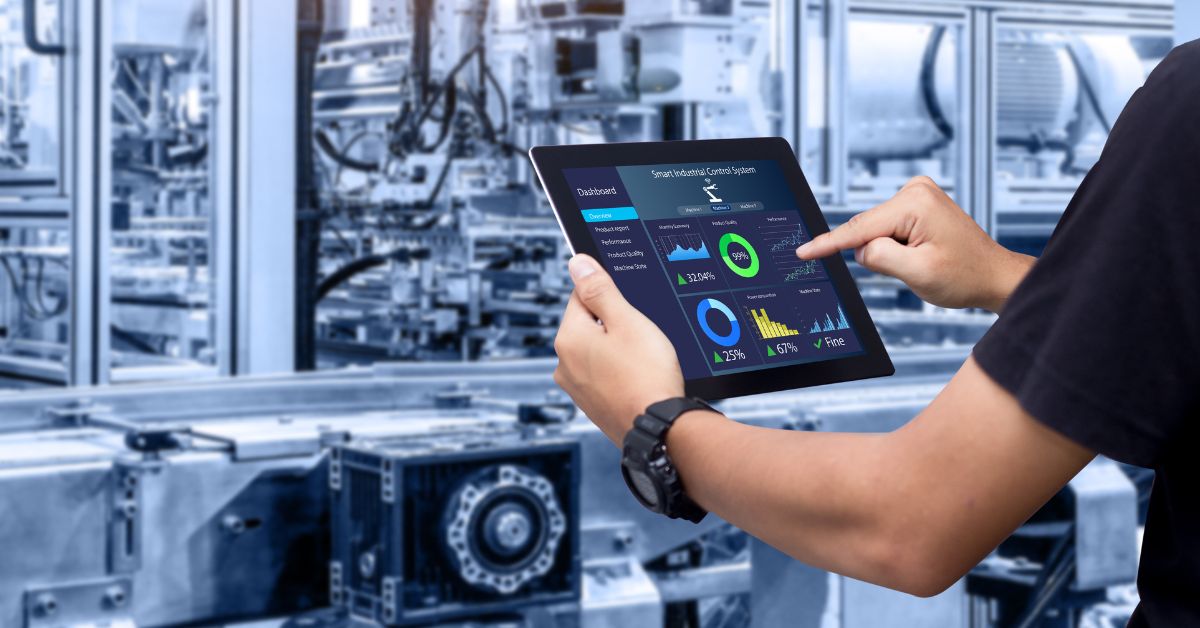
The first webinar will focus on technological solutions that enable production systems to react rapidly to unexpected changes. Experts from the participating projects will share experiences and insights on cutting-edge tools such as digital pipelines, Digital Twins, Asset Administration Shells, Data Space platforms, and rapid reconfiguration methods.
Expected Output: We will know all the projects involved in the series; participants will gain a clear overview of enabling technologies and practical strategies to make industrial processes more adaptable and resilient.
The second webinar explores how to create interconnected supply chains based on collaborative systems and platform-based manufacturing. The projects will present the concrete way in which it is possible to introduce the technologies, bringing to attention one or more use cases, which will highlight the close collaboration and synergy that is created within the same ecosystem.
Expected output:
Identification of application cases that concretely show the use of new technologies in order to build new synergic models in the value chain. Identification of the actions to be taken, the risks and difficulties in bringing the proposed solutions to the market as an exploitation plan.
This final session shifts the focus from technological innovation alone to a broader and more systemic perspective: how to embed sustainability and circular economy principles into future industrial ecosystems.
This edition seeks to understand how people, processes and technologies can evolve together toward more adaptive, resource-efficient and long-term–oriented manufacturing systems. It will be an open dialogue, encouraging participants to exchange concrete experiences and perspectives through guided discussion questions.
The session will dive into what sustainability really means in practice within the smart manufacturing context, addressing questions such as:
- What does “sustainability” mean for each project?
- How can circular approaches be integrated into supply chains and production systems?
- How is sustainability embedded in the project solutions developed so far?
- In what ways can digital tools — such as AI, Digital Twins and Data Spaces — accelerate the transition toward sustainable manufacturing, beyond mere process optimization?
- How can people be engaged to foster a culture of responsibility, awareness and collaboration?
